Lion's Mane Mushroom | What It Is & Why It's Trending
Lion's Mane Mushrooms: What They Are, How They're Used, and Why They're Trending
By Chris Rea, COO of Mariko Grove · Last updated June 3rd, 2026
Lion's Mane mushrooms have become one of the most talked-about ingredients in modern wellness and specialty coffee spaces. With their unique appearance and long history of culinary use, these mushrooms are attracting attention from people looking to explore new foods and intentional daily rituals.
But what exactly is Lion's Mane — and why is it showing up in everything from coffee blends to powders and capsules?
This guide explains what Lion's Mane mushrooms are, how they're traditionally used, and what consumers should know before adding them to their routine.
What Is Lion's Mane?
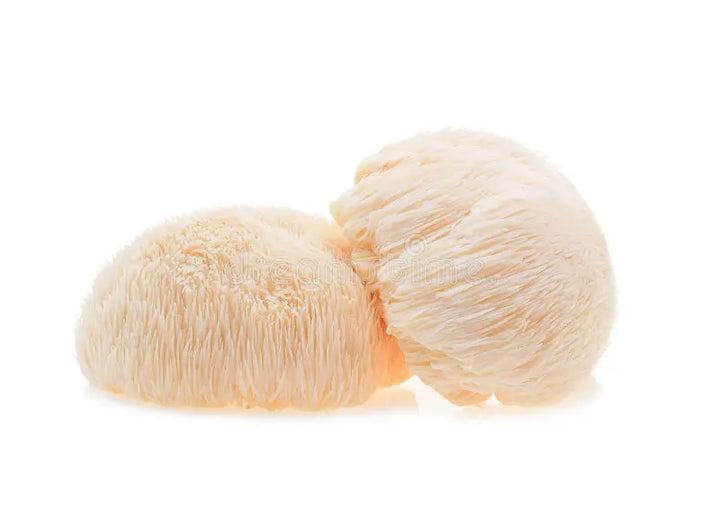
Lion's Mane is an edible mushroom scientifically known as Hericium erinaceus. It grows naturally on hardwood trees in North America, Europe, and Asia and is easy to recognize thanks to its distinctive white, cascading strands that resemble a lion's mane — which inspired its name.
Unlike many mushrooms used primarily for cooking, Lion's Mane has been used both as a food ingredient and in traditional culinary practices for centuries.
Today, it is commonly available in several forms:
- Fresh culinary mushrooms
- Dried powders
- Extracts
- Capsules
- Beverage blends such as mushroom coffee
History and Origins
Lion's Mane has a rich culinary and cultural history, particularly across East Asia. In China, where it is known as hóu tóu gū (猴头菇, "monkey head mushroom"), Lion's Mane has been used in cooking and traditional preparations for centuries. Historical records suggest it was once reserved for royal tables, prized both for its delicate flavor and its place in Traditional Chinese Medicine wellness practices.
In Japan, the mushroom is called yamabushitake — named after the Yamabushi mountain monks, who were said to favor it during long periods of meditation and contemplation. This association with focused, contemplative practice is part of what has made Lion's Mane appealing to modern consumers interested in intentional daily rituals.
In the wild, Lion's Mane grows on dead and decaying hardwood trees, with a particular preference for American beech, oak, maple, and walnut. It fruits in late summer and early fall throughout temperate forests in the Northern Hemisphere — from the Appalachian forests of eastern North America to the woodlands of Europe and East Asia. The mushroom has no toxic look-alikes, which has made it a popular species among foragers. Its many common names hint at its distinctive appearance: Monkey's Head, Bearded Tooth, Satyr's Beard, Bearded Hedgehog, and Pom Pom Mushroom.
Today, most Lion's Mane available commercially is cultivated rather than wild-harvested. Cultivation allows for a more consistent supply and typically uses hardwood-based substrates or supplemented sawdust blocks that mimic the mushroom's natural growing environment.
Why Lion's Mane Is Gaining Popularity
The growing interest in Lion's Mane reflects broader consumer trends toward functional foods and ingredient transparency. Many people are exploring foods that feel purposeful while still fitting naturally into everyday routines.
Here are a few reasons Lion's Mane has become widely discussed.
1. Unique Culinary Appeal
Lion's Mane mushrooms are valued by chefs for their texture and mild flavor. When cooked fresh, they are often described as slightly savory and seafood-like in texture, making them a popular plant-based ingredient in creative recipes.
2. Compatibility With Daily Beverages
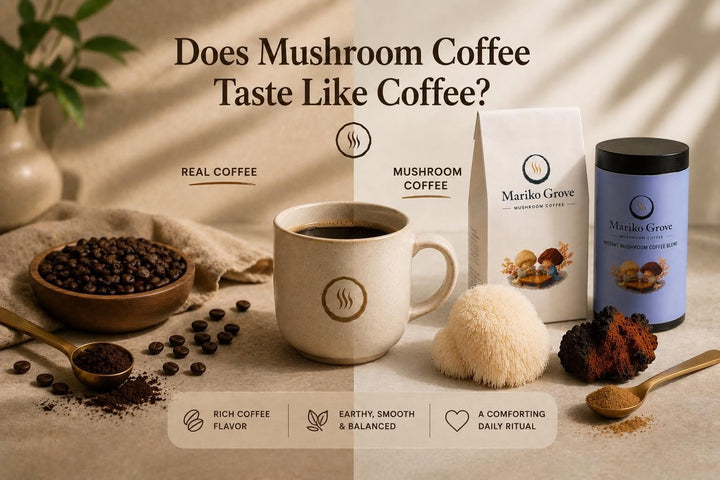
Because Lion's Mane can be processed into a fine powder, it blends easily into drinks like coffee, tea, and smoothies. This convenience has helped fuel its popularity in ready-to-mix beverage products, including mushroom coffee.
3. Interest in Traditional Ingredients
Lion's Mane has a long history of use in food culture across parts of Asia. Modern consumers often enjoy exploring ingredients connected to traditional culinary practices as part of a broader interest in global food traditions.
Nutritional Profile
Fresh Lion's Mane mushrooms are a low-calorie food with a modest but interesting nutritional composition. The following values are based on USDA FoodData Central data for raw Lion's Mane mushroom per 100-gram serving:
| Nutrient | Amount per 100g (raw) |
|---|---|
| Calories | 43 kcal |
| Protein | 2.5 g |
| Total fat | 0.26 g |
| Total carbohydrate | 7.6 g |
| Iron | 0.69 mg (4% DV) |
| Sodium | 0.34 mg |
| Potassium | 443 mg (9% DV) |
Source: USDA FoodData Central, FDC ID 1750344
Like many edible mushrooms, Lion's Mane is notable for its protein content relative to its calorie count. Published nutritional research also notes that Lion's Mane contains B vitamins (particularly niacin, riboflavin, and thiamin), as well as minerals like zinc, manganese, and selenium in varying amounts depending on growing conditions.
A 2025 review published in Foods noted that Lion's Mane's nutritional composition can vary significantly based on cultivation substrate, harvest timing, and post-harvest processing — which is one reason why standardized extract products have become popular alongside fresh culinary use.
It's worth noting that the nutritional profile above reflects fresh, whole mushrooms. Powdered extracts used in mushroom coffee and supplements undergo concentration and extraction processes that change the nutrient composition, so these values should not be applied directly to extract-based products.
What Does Lion's Mane Taste Like?
Flavor depends on how it's prepared.
- Fresh Lion's Mane: Mild, slightly sweet, and savory
- Powdered or extracted forms: Neutral to lightly earthy
- In beverages: Typically masked by coffee, cacao, or tea flavors
Many people are surprised that Lion's Mane products rarely taste strongly "mushroom-like," especially in blended drinks.
How Lion's Mane Products Are Made
Most commercial Lion's Mane powders and extracts follow a similar production process:
- Mushrooms are cultivated or harvested.
- They are dried at controlled temperatures.
- The dried material is extracted or milled into powder.
- The final ingredient is added to food or beverage products.
Some brands highlight whether they use the fruiting body (the visible mushroom) or mycelium (the root-like structure). This distinction refers to different parts of the fungus used during production.
Common Ways People Use Lion's Mane
Lion's Mane is incorporated into routines in a variety of simple ways:
- Added to morning coffee or mushroom coffee blends
- Mixed into smoothies or protein shakes
- Stirred into tea or hot chocolate
- Used as a cooking ingredient when fresh
- Taken as a powdered supplement format
Usage often depends on convenience and personal preference rather than strict preparation rules.
Find Lion's Mane in Mariko Grove's Blends
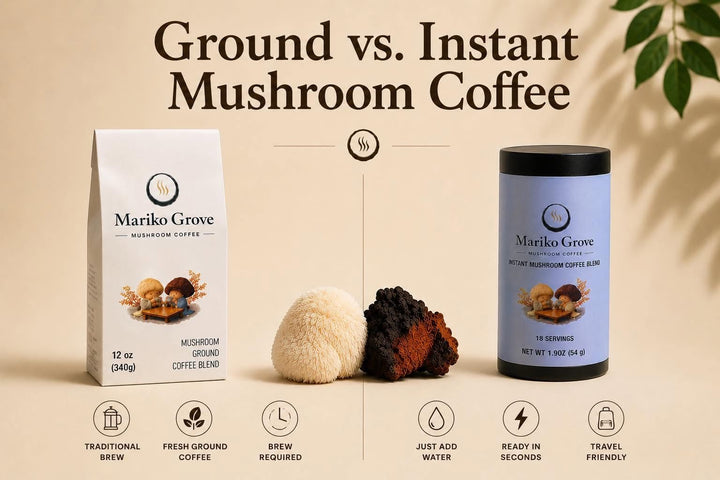
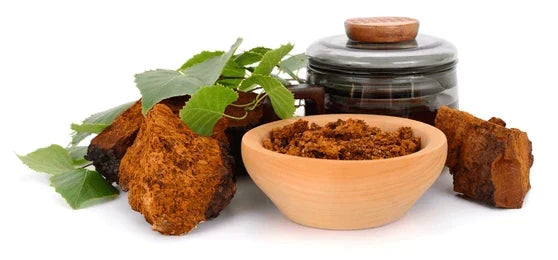
At Mariko Grove, Lion's Mane is one of our two signature mushroom characters. You'll find the Lion's Mane mascot on our packaging — a nod to the ingredient we built our blends around. We pair Lion's Mane with Chaga in both our Ground Mushroom Coffee and Instant Mushroom Coffee, making it easy to work into your morning cup. Learn more on our Our Mushrooms page.
What to Look for When Buying Lion's Mane Products
Not all products are identical, so reading labels carefully can help shoppers make informed decisions.
Ingredient Transparency
Look for clearly identified mushroom species and serving amounts.
Processing Information
Brands may specify extraction methods or whether fruiting bodies are used.
Third-Party Testing
Independent testing can help verify product consistency and quality. To learn more about what testing involves and how to read results, check out our guide on what a Certificate of Analysis (COA) is.
Minimal Additives
Some blends include sweeteners or flavorings, while others contain only mushroom ingredients.
Lion's Mane vs. Other Culinary Mushrooms
Lion's Mane is just one of many edible mushrooms available to consumers, but it stands apart in several ways. The table below compares Lion's Mane to other popular culinary and functional mushroom varieties:
| Feature | Lion's Mane | Shiitake | Maitake | Oyster | Reishi |
|---|---|---|---|---|---|
| Appearance | White, cascading strands | Brown cap, white gills | Layered, fan-shaped clusters | Shelf-like, pale gray to brown | Glossy, kidney-shaped cap |
| Flavor | Mild, slightly sweet, seafood-like | Rich, savory, umami | Earthy, peppery, woodsy | Mild, slightly anise-like | Bitter, woody (not culinary) |
| Texture (cooked) | Tender, resembles crab or lobster | Meaty, chewy | Firm, crumbly | Delicate, velvety | Too tough to eat whole |
| Common culinary use | Sautéed, in soups, as seafood substitute | Stir-fries, soups, dried seasoning | Roasted, tempura, rice dishes | Sautéed, pasta, tacos | Teas and tinctures only |
| Available as beverage ingredient | Yes — coffee, tea, lattes | Occasionally (broth-based) | Occasionally (powder blends) | Rarely | Yes — teas, coffee blends |
| Popularity trend | Functional food and beverage interest | Established culinary staple | Growing culinary interest | Established culinary staple | Functional/traditional wellness |
Among these varieties, Lion's Mane is relatively unique in being both a versatile cooking ingredient and a popular addition to beverages. Shiitake and oyster mushrooms are primarily valued for cooking, while reishi is almost exclusively consumed as a tea or extract due to its tough, bitter nature. Maitake bridges both worlds but is less commonly found in beverage products.
Is Lion's Mane Right for Your Routine?
Lion's Mane is best viewed as a food ingredient that can add variety to beverages and recipes. Many people enjoy experimenting with it as part of a balanced lifestyle focused on diverse food choices.
As with any new dietary product:
- Review ingredient labels carefully.
- Start with small amounts when trying a new food.
- Consult a qualified professional if you have dietary concerns, allergies, or sensitivities.
Final Thoughts
Lion's Mane mushrooms combine culinary tradition with modern curiosity. From royal Chinese kitchens to Japanese mountain monasteries to today's specialty coffee blends, this distinctive mushroom has been valued across cultures and centuries. Its versatility, approachable flavor, and compatibility with beverages like coffee have helped it become a standout ingredient in today's specialty food landscape.
Whether enjoyed in a warm drink or prepared as a food ingredient, Lion's Mane offers a unique way to explore new flavors and expand everyday routines.
Ready to try Lion's Mane in your morning coffee? Shop Mariko Grove's mushroom coffee collection — crafted with Lion's Mane and Chaga, third-party tested, and designed to fit right into your routine.
About the Author
Chris Rea is the COO of Mariko Grove, overseeing operations, sourcing, and shipping logistics. He ensures every batch of mushroom coffee is handled with care from warehouse to doorstep.
Sources
- "Lion's mane mushroom." Encyclopaedia Britannica. Britannica
- Raja-Razali, R.A., et al. (2026). "Lion's Mane Mushroom: Nutritional Profile, Bioactive Compounds, Functional Properties, and Applications in Functional Food Systems." Journal of Food Science, 91(4), e71026. Wiley Online Library
- Grand View Research. (2023). "Functional Mushroom Market Size, Share & Trends Analysis Report, 2024-2030." Grand View Research
- USDA FoodData Central. "Mushroom, lion's mane." FDC ID 1750344. USDA
- Terzic, A., et al. (2025). "Functional and Nutritional Properties of Lion's Mane Mushrooms." Foods, 14(23), 4153. PubMed Central
- Roda, E., et al. (2025). "Lion's Mane Mushroom (Hericium erinaceus): A Neuroprotective Fungus with Broad Therapeutic Potential." Nutrients, 17(8), 1307. PubMed Central
FDA Compliance Disclaimer: This content is for informational purposes only and is not intended to diagnose, treat, cure, or prevent any disease. Statements regarding Lion's Mane products have not been evaluated by the U.S. Food and Drug Administration.